Archaeology and Cultural Heritage
The department is a distinguished center that combines specialized expertise and strategic vision, playing a pivotal role in managing and implementing heritage projects with a high level of efficiency and effectiveness.
The department’s methodology is based on accumulated experience of more than 27 years of continuous work in the fields of heritage and archaeology at both local and international levels, which has enabled it to build a solid knowledge base and an extensive network of relationships with relevant entities.
Building on this professional legacy, the department seeks to expand the scope of its services and areas of intervention, in line with the national priorities highlighted by the Kingdom of Saudi Arabia’s Vision 2030, which places the preservation and development of cultural heritage among its fundamental pillars, considering it a vital element in supporting national identity and promoting sustainable development.

1. Archaeological Excavation
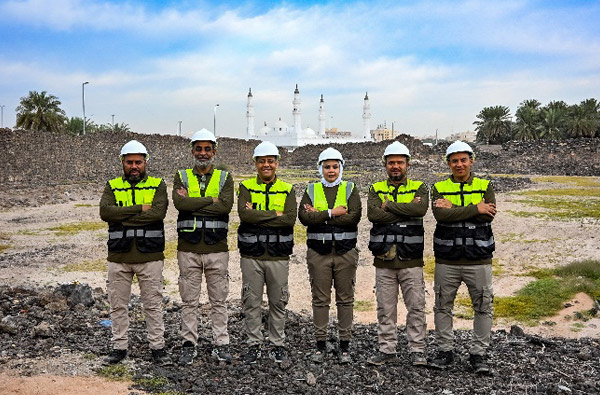
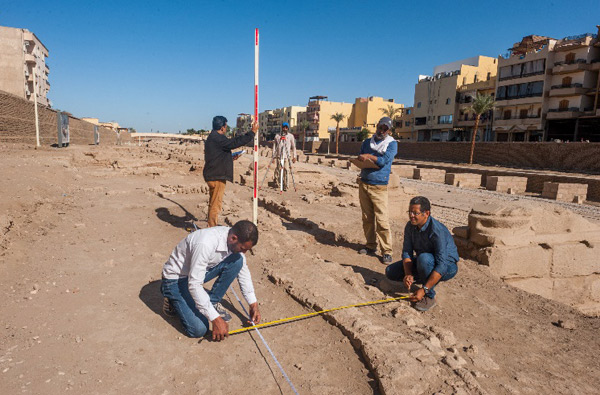
The specialized team in the Department of Archaeology and Cultural Heritage undertakes archaeological excavation operations according to precise scientific methodologies, including uncovering archaeological layers and finds, studying and analyzing them according to their historical contexts. The results are also documented using the latest technical methods, with the preparation of comprehensive scientific reports that include accurate descriptions of the artifacts and analyses of the excavation results. The team also contributes to producing and publishing scientific research, in support of academic knowledge and to strengthen heritage preservation efforts.
- Planning and implementing excavation operations.
- Studying and analyzing discovered archaeological remains.
- Documenting archaeological remains through photographs, reports, and modern technological methods.
- Preparing plans for the preservation of discovered archaeological remains.
2. Museums
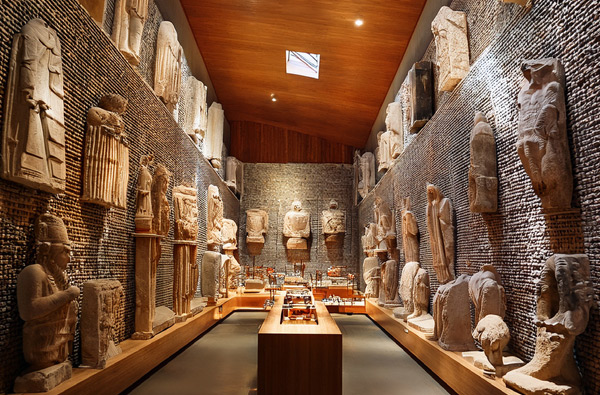
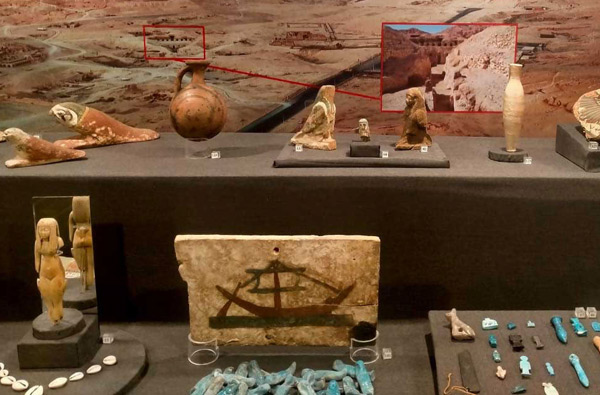
The department is also concerned with the design and implementation of museum works of various types. This includes the development and management of museum collections in a scientific manner that ensures their preservation and effective display, alongside the development of related content and educational programs, with the aim of enhancing the visitor experience and spreading cultural and intellectual awareness.
- Designing and implementing museum works.
- Managing museum collections.
- Preparing museum exhibitions.
- Providing educational services.
- Documenting museum collections.
3. Intangible Heritage
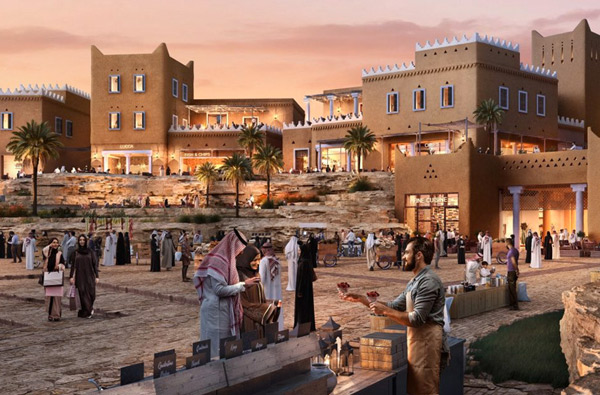
The department undertakes the task of caring for intangible cultural heritage by documenting it in all its forms, such as customs, traditions, and folk practices, and working to protect it from disappearance, in addition to promoting it through various means and raising awareness of its importance as an essential element in strengthening cultural identity and preserving cultural diversity.
- Documenting intangible heritage.
- Protecting intangible heritage from disappearance.
- Promoting intangible heritage through cultural activities.
- Reviving intangible heritage.
4. Documentation
Cultural heritage documentation tasks cover a wide scope encompassing all fields of heritage without exception. Documentation is considered an essential step in preservation, rehabilitation, and reuse efforts. It also contributes to supporting decision-making based on accurate and comprehensive data.
The department focuses on preparing integrated databases that take into account the historical, architectural, cultural, and functional aspects of all heritage elements, with the aim of building a rich knowledge reference that supports future studies and facilitates access to information.
- Documenting historic buildings.
- Documenting movable antiquities.
- Documenting intangible heritage.
- Documenting museum collections.
- Preparing databases.
5. World Heritage
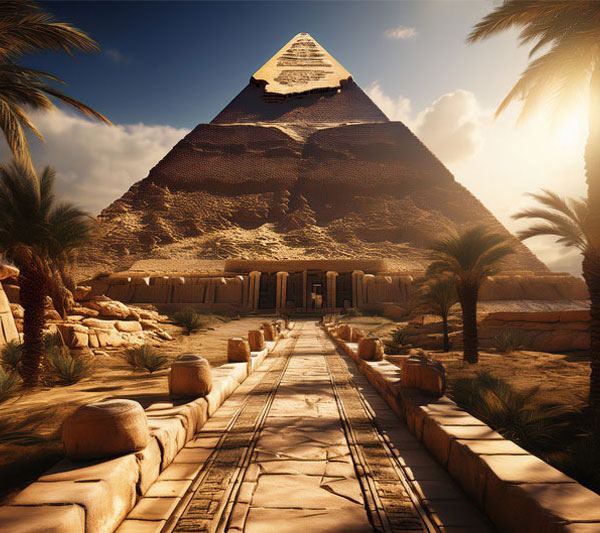
The department specializes in World Heritage sites, including preparing the necessary nomination dossiers for inscribing heritage sites on the World Heritage List, following up on the procedures required to preserve these sites, and preparing reports related to World Heritage sites, including: Heritage Impact Assessments (HIA), State of Conservation (SoC) reports, Outstanding Universal Value (OUV) reports, and others.
- Preparing nomination dossiers.
- Following up on the procedures required to preserve inscribed sites.
- Providing consultancy services for nominated sites.
- Providing consultancy services for the management of World Heritage sites.
6. Restoration and Conservation
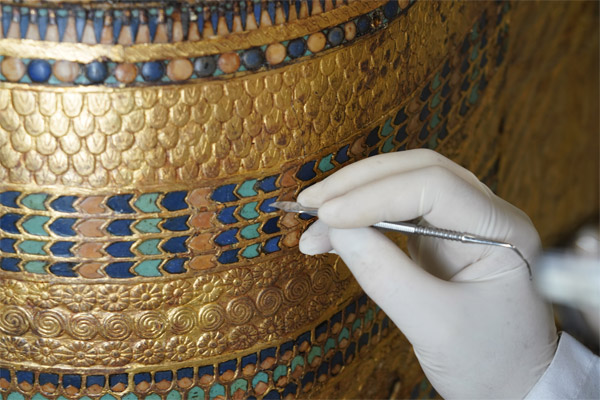
The department specializes in the restoration and conservation of movable and immovable cultural properties. This includes the protection and maintenance of archaeological and heritage artifacts, historic buildings, and architectural landmarks of cultural value.
This specialization focuses on following modern scientific and technical methods in restoration work, ensuring the preservation of the authenticity and sustainability of heritage elements for future generations. The work also includes assessing the condition of these properties, developing periodic protection and maintenance plans, as well as documenting the stages of restoration and its technical and architectural history, in accordance with approved national and international standards in the field of heritage conservation.
- Preparing condition reports for archaeological and heritage artifacts and heritage and archaeological buildings to determine their condition and assess the extent of damage.
- Developing comprehensive restoration plans for archaeological and heritage artifacts and heritage and archaeological buildings.
- Carrying out restoration and conservation operations for archaeological and heritage artifacts and heritage and archaeological buildings using the latest technologies.
- Conducting the necessary examinations for restoration and conservation operations.
7. Risk Management at Heritage Sites and Museums
This specialization aims to protect cultural heritage during times of crises and emergencies by developing preventive plans and strategies to deal with natural disasters such as earthquakes and floods, or human-caused incidents such as fires and collapses. This includes assessing potential risks, enhancing the preparedness of heritage sites, and training relevant teams to respond quickly and effectively, to ensure the reduction of losses and the preservation of heritage from deterioration or loss.
- Assessing risks that threaten archaeological sites and museums.
- Developing emergency plans and risk management plans to deal with various types of disasters.
- Rapid documentation of archaeological artifacts and museum collections during times of crises.
- Safe storage of archaeological artifacts and museum collections during times of crises.
8. Management and Organization of Warehouses and Storage Facilities for Heritage and Archaeological Collections
This specialization aims to preserve heritage and archaeological collections by providing suitable environmental conditions that ensure their physical stability and long-term sustainability, while organizing and storing them in a way that enables researchers and interested individuals to access them easily for the purposes of study and scientific analysis, contributing to enhancing knowledge and supporting documentation and preservation efforts.
- Classifying and registering all collections according to specific scientific standards.
- Safely storing collections under suitable environmental conditions, using specialized tools and cabinets to protect them from damage and deterioration.
- Managing and periodically updating warehouse records.
- Attending to the storage requirements of collections, such as controlling temperature and humidity levels.
- Facilitating access to collections for researchers and scholars.
9. Cultural Heritage Technology
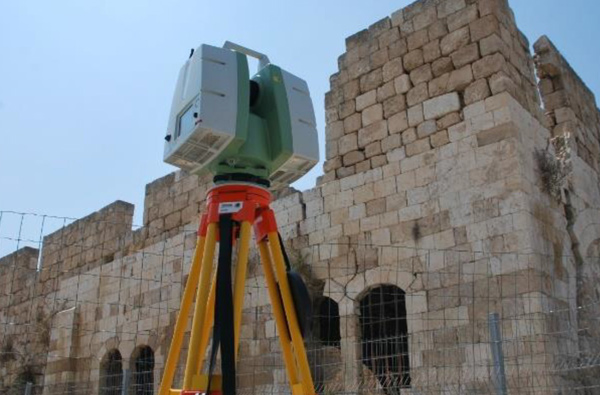
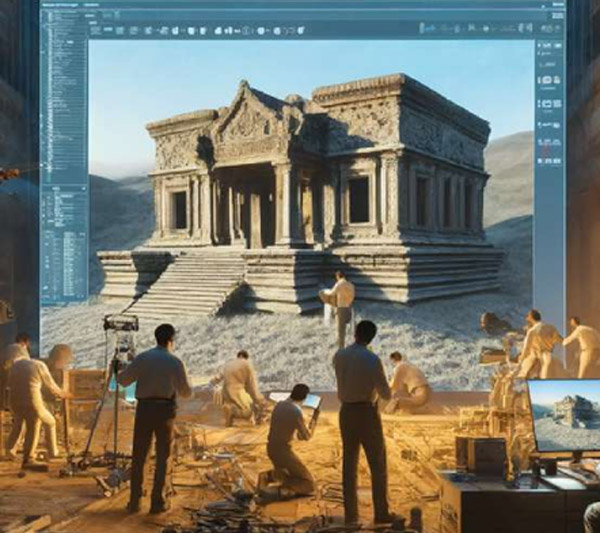
The department seeks to provide the best innovative solutions by employing modern technology to support, protect, and enhance the fields of cultural heritage. This includes the use of advanced digital tools such as 3D scanning, Geographic Information Systems (GIS), and digital documentation, which contribute to increasing work efficiency, improving data accuracy, and expanding access to heritage content.
- Using 3D scanning technologies to document cultural properties and historic buildings.
- Applying virtual reality and augmented reality technologies to provide interactive experiences for visitors.
- Using advanced database management systems to store and analyze data related to cultural heritage.
- Using Geographic Information Systems (GIS) to document cultural heritage sites.
10. Training and Qualification
Training and Qualification
The department focuses on developing personnel and providing training programs for students and professionals working in various fields of cultural heritage, in order to develop national competencies, keep pace with developments in the field of cultural heritage, and ensure the continuity of cultural heritage preservation.
- Establishing a training center to train national personnel in the fields of cultural heritage.
- Organizing training courses in various cultural heritage specializations (archaeology, museums, restoration, documentation, and others).
- Targeting personnel working in the cultural sector as well as university students.
11. Content Creation, Management, and Interpretation Tools
The department specializes in writing and managing content and explanatory and interpretive tools in museums and cultural heritage sites to enhance communication with the public and improve the visitor experience, through producing diverse and specialized content and providing comprehensive and documented information about cultural heritage.
- Producing diverse written and visual content (articles, reports, texts, etc.).
- Managing and coordinating content for use across various digital platforms (websites, social media, applications).
- Designing and developing interactive interpretive tools (guidance signs, digital information panels, augmented reality applications, virtual tours, etc.).
12.Studies and Scientific Research
The department specializes in scientific research in the fields of cultural heritage to deepen understanding and knowledge of cultural heritage, develop methods for its preservation, and find innovative solutions to the challenges it faces.
- Producing diverse written and visual content (articles, reports, texts, etc.).
- Managing and coordinating content for use across various digital platforms (websites, social media, applications).
- Designing and developing interactive interpretive tools (guidance signs, digital information panels, augmented reality applications, virtual tours, etc.).
Our Team's Expertise
Our department takes pride in the extensive expertise of its esteemed members, spanning more than 27 years in the fields of archaeology and cultural heritage in its various forms. Examples include, but are not limited to, carrying out archaeological excavation work and scientific excavations, the conservation, restoration, and maintenance of antiquities, and the preparation of World Heritage nomination dossiers for numerous World Heritage sites, such as Ancient Thebes, the Giza Plateau, Nubia, Sinai, and the Eastern and Western Deserts in Egypt, Hegra (Al-Hijr) in the Kingdom of Saudi Arabia, Petra in Jordan, as well as other countries across Asia, Europe, and Latin America.
Our experts also have extensive experience in the field of museums and have participated in major museum projects, such as the Grand Egyptian Museum and the National Museum of Egyptian Civilization, as well as various international museums, including the Louvre Museum, the British Museum, and the Metropolitan Museum of Art. We also take pride in our members’ expertise in the field of documentation, in addition to their active membership in the Documentation Committee of the International Council of Museums (ICOM). We are also distinguished by our experience in designing, coordinating, and implementing training programs with various countries around the world.
Our team members are distinguished by their extensive international relationships with specialists in the fields of archaeology and heritage, aimed at exchanging international expertise and organizing joint projects and events in Egypt, Italy, France, England, Spain, Germany, the Netherlands, the United States of America, Mexico, Japan, and China.